
Table of Contents (9 sections)
Creating a client-centered coaching experience is essential for any professional coach aiming to foster meaningful and lasting relationships with clients. This approach ensures each session is tailored to satisfy the unique needs, goals, and values of your client. Here, we will guide you through the steps to achieve an effective, client-centered coaching framework.
1. Understand Client Needs
Understanding your client’s needs is the cornerstone of effective coaching. Start by conducting preliminary assessments to gather essential information about their goals, aspirations, challenges, and motivation levels. This can include initial questionnaires, direct conversations, or self-assessments.
For example, suppose a client wants to improve their professional skills. In this scenario, you'd delve deeper into what skills they feel are essential for their progression and how they define success in their career. This phase is critical, as research indicates that 72% of clients report increased satisfaction when their coaches actively listen and tailor sessions to their specific needs. Remember, the goal is not just to provide generic advice but to develop a nuanced understanding of the client's unique context.
Tip: Encourage clients to express their thoughts and feelings openly by creating a safe, judgment-free environment. This openness will enhance the coaching relationship and yield more effective outcomes.
2. Set Clear Objectives
Once you thoroughly understand your client's needs, the next step is to establish clear and achievable objectives for the coaching relationship. Facilitating a collaborative conversation allows both you and the client to agree on specific goals. These SMART (Specific, Measurable, Achievable, Relevant, Time-Bound) goals are crucial for tracking the client’s progress and evaluating the coaching impact.
For instance, if a client’s goal is to enhance their public speaking skills, a clear objective could be: “Improve public speaking skills to confidently deliver a presentation to a group of 20 colleagues within three months.” Structuring goals in this way provides clarity and motivation for your client.
Additionally, make sure to document these goals for future reference. Revisit them regularly during your sessions to assess progress and make necessary adjustments.
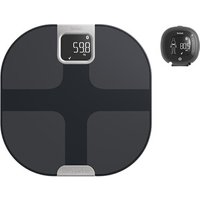
Body Partner impédancemètre connecté avec coaching sportif et nutritionnel
Darty FR


3. Design Tailored Coaching Sessions
Designing coaching sessions tailored to the client's goals and personality is key. Different clients may respond better to various coaching styles. For instance, some clients might prefer a more directive approach with structured activities, while others thrive in a more exploratory, conversational style.
When planning a session, consider incorporating a mix of activities, such as:
- Goal-setting discussions: Encourage clients to articulate their ambitions clearly.
- Role-playing: Allow clients to practice skills in a safe environment.
- Feedback mechanisms: Use assessments or peer reviews to provide constructive feedback.
Research by the International Coach Federation (ICF) shows that utilizing a balance of varied methods can improve retention and application of new skills by up to 60%. So mix it up!
4. Foster Open Communication
Creating an environment of open communication is essential for a client-centered coaching experience. This involves being attentive, empathetic, and responsive to your client’s verbal and non-verbal cues.
An essential technique here is active listening, where you deeply engage with what your client says, asking questions that prompt further discussion. For example, if a client expresses frustration about their progress, ask open-ended questions such as, “What do you think is holding you back?” This, in turn, promotes deeper reflection.
Additionally, check-ins or feedback loops during sessions can be very beneficial. Ask your client how they felt about the previous session or what they would like to change moving forward. This iterative feedback process not only empowers the client but also helps you adjust your approach to better fit their evolving needs.
5. Reflect and Adapt
As you progress through the coaching journey, both you and your client should engage in reflection and adaptation. Set aside time during sessions to reflect on previous discussions and actions taken.
Encouraging clients to journal their thoughts or insights between sessions can foster powerful reflections. Share your observations as well; for instance, if you notice a pattern in their responses or behaviors, address it and explore its implications. According to research by Harvard Business Review, reflection can significantly increase retention and application of insights by 50%.
Being flexible and responsive to your client’s insights not only strengthens rapport but also greatly enhances the coaching experience. Regularly revisiting and evolving your coaching strategies will keep sessions relevant and impactful.
Checklist for Client-Centered Coaching
- [ ] Conduct initial assessments to understand client needs.
- [ ] Establish SMART goals together with your client.
- [ ] Design tailored activities for each session.
- [ ] Maintain open communication throughout the coaching process.
- [ ] Schedule regular reflections and adapt as necessary.
📺 For Further Insights
Discover more about designing effective client-centered coaching by searching on YouTube: ‘client-centered coaching techniques’.
Glossary
| Term | Definition |
|---|---|
| Client-Centered Coaching | An approach focused on the client's needs, preferences, and feedback to enhance the coaching experience. |
| SMART Goals | Goals that are Specific, Measurable, Achievable, Relevant, and Time-bound to ensure clarity and motivation. |
| Active Listening | A communication technique used to fully engage with the speaker and encourage open dialogue. |
> 🧠 Quick Quiz: What is essential for a successful coaching session?
> - A) Fixed agenda
> - B) Client needs understanding
> - C) Generic advice
> Answer: B — Understanding client needs is key to effective coaching.
📺 Pour aller plus loin : client-centered coaching techniques sur YouTube
Recommended products
Selected by our experts
Body Partner impédancemètre connecté avec coaching sportif et nutritionnel
Darty FR
This connected body scale helps clients track their body composition, weight, and BMI, which is essential for personal coaching programs.
Jeu de coaching CAP SUR LA CONFIANCE Multicolore
Darty FR
This coaching game focuses on building confidence, a vital aspect of client-centered coaching that can enhance engagement and development.
Coolwick MDM Mike Moore Coaching Women Bowling T-Shirt 2X Red
coolwick.com
This comfortable, casual T-shirt is perfect for coaches or clients to reflect a relaxed coaching environment.