
Table of Contents (11 sections)
Coaching is an integral part of personal and professional development. In 2026, as the landscape of coaching evolves, enhancing your coaching skills is more crucial than ever. This guide will provide a step-by-step approach to improving your skills and ensuring success in your coaching career.
The Importance of Coaching Skills
What are Coaching Skills?
Coaching skills encompass the abilities that enable a coach to effectively guide individuals to achieve their personal and professional goals. These skills include effective communication, active listening, empathy, and feedback provision.
Why are Coaching Skills Crucial?
In today's fast-paced environment, the demand for skilled coaches continues to rise. According to recent statistics, 70% of employees believe coaching significantly impacts their performance and satisfaction at work. As clients seek coaches who can inspire and guide them effectively, having a robust skill set becomes mandatory for anyone aspiring to be a successful coach. The right coaching skills not only foster growth in clients but also enhance the coach's credibility and reputation.
Step 1: Self-Assessment
Before embarking on the journey to enhance your coaching skills, conducting a thorough self-assessment is vital. This process entails evaluating your current skills and identifying areas that need improvement.
How to Self-Assess?
- Identify Your Strengths and Weaknesses: Reflect on past coaching experiences. What feedback have you received? What aspects do participants often praise?
- Solicit Feedback: Reach out to peers or clients for their honest opinions about your coaching style and effectiveness. Utilizing tools like 360-degree feedback can be beneficial here.
- Compare Against Standards: Familiarize yourself with industry standards or frameworks to ascertain how your skills measure up against successful coaches in your field.
Pro Tip: Many successful coaches keep a journal documenting their coaching sessions and reflections, allowing for ongoing self-improvement.
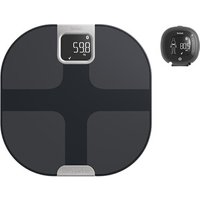
Body Partner impédancemètre connecté avec coaching sportif et nutritionnel
Darty FR


Step 2: Pursue Continuous Education
Once you've identified areas for growth, pursuing further education will be crucial. In 2026, various advanced and niche coaching certifications are available.
Options for Education:
- Workshops and Seminars: Attend industry-related workshops to gain insights from experts and network with peers.
- Online Courses: Platforms like Coursera and Udemy offer specific courses focusing on various coaching skills that you can tailor to your needs.
- Certifications: Obtaining a certification from recognized bodies such as the International Coaching Federation (ICF) validates your expertise and enhances your marketability.
Common Pitfall to Avoid: Don’t limit yourself to just one learning approach; instead, diversify your education materials and sources.
Step 3: Develop Active Listening Skills
One of the hallmarks of effective coaching is the ability to listen actively. Clients often arrive with issues that they need guidance on, but they first need to feel heard.
Techniques for Active Listening:
- Reflective Listening: Rephrase what your client says to show understanding.
- Ask Open-Ended Questions: Encourage your clients to express their thoughts freely instead of answering yes or no questions.
- Body Language: Maintain eye contact and use affirming nods or phrases to show engagement.
Statistical Insight: A study published in the Journal of Coaching found that active listening increased client satisfaction by 30%.
Step 4: Practice Empathy
Empathy is crucial for building rapport and trust with clients. As a coach, recognizing and understanding your clients’ perspectives can significantly enhance their coaching experience.
Ways to Practice Empathy:
- Put Yourself in Their Shoes: Consider the challenges they face based on their background and experiences.
- Validate Emotions: Acknowledge how they feel. Statements like, “I can see this is challenging for you,” can provide comfort.
Pro Tip: Try journaling about your feelings regarding coaching sessions to help you become more in tune with your clients’ emotions.
Step 5: Enhance Feedback Techniques
Providing constructive feedback is fundamental in the coaching process. Proper feedback can guide clients toward improvement without discouraging them.
Strategies for Effective Feedback:
- Be Specific: Instead of saying, "You did well," specify what they excelled at, such as, "Your presentation was engaging because you maintained eye contact."
- Use the Sandwich Technique: Start with a positive, share an area for improvement, and conclude with another positive.
- Follow-Up: Ensure there’s a follow-up on the feedback given to track progress and show continued interest in their development.
Checklist for Effective Feedback:
- [ ] Specific feedback delivered
- [ ] Positive encouragement provided
- [ ] Follow-up scheduled
📺 Resource Video
> 📺 For further learning: Enhancing Coaching Skills for Impact, an in-depth overview of modern coaching techniques. Search on YouTube: "how to improve your coaching skills 2026".
Checklist for Enhancing Coaching Skills
- [ ] Complete self-assessment
- [ ] Enroll in at least one workshop
- [ ] Practice reflective listening in sessions
- [ ] Write about client emotions to improve empathy
- [ ] Use the sandwich technique in feedback
Glossary
| Term | Definition |
|---|---|
| Active Listening | Engaging with a speaker by reflecting, clarifying, and validating their message. |
| Empathy | The ability to understand and share the feelings of another person. |
| Constructive Feedback | Positive feedback meant to improve someone's skills and performance without being discouraging. |
> 🧠 Quick Quiz: What is the primary goal of active listening?
> - A) To agree with the speaker
> - B) To understand the speaker fully
> - C) To prepare a response
> Answer: B — The primary goal of active listening is to truly understand the speaker's message.
By following these steps, you can enhance your coaching skills effectively. Each stage builds on the previous one, leading to more successful and fulfilling interactions with your clients. Remember, coaching is an evolving field, and continual self-improvement is key to staying relevant and effective.
As you embark on this transformative journey, don’t forget to explore our carefully selected products that can aid in enhancing your skills as a coach.
Recommended Products
- Product 1: An innovative body composition monitor to help track your health goals. A reliable tool for personal fitness coaching.
- Product 2: A coaching board game designed to build confidence. It's ideal for both fun and learning.
- Product 3: A high-quality coaching t-shirt perfect for everyday wear.
📺 Pour aller plus loin : how to improve your coaching skills 2026 sur YouTube
Recommended products
Selected by our experts
Body Partner impédancemètre connecté avec coaching sportif et nutritionnel
Darty FR
An innovative body composition monitor to help track your health goals. A reliable tool for personal fitness coaching.
Jeu de coaching CAP SUR LA CONFIANCE Multicolore
Darty FR
A coaching board game designed to build confidence. It's ideal for both fun and learning.
Coolwick MDM Mike Moore Coaching Women Bowling T-Shirt 2X Red
coolwick.com
A high-quality coaching t-shirt perfect for everyday wear.