Table of Contents (9 sections)
Coaching is not just a profession; it's an art form that requires skill, empathy, and strategy. As coaches, our goal is to empower individuals to achieve their personal and professional aspirations. In this article, we explore five essential coaching techniques that can enhance your effectiveness as a professional coach.
1. Active Listening: The Heart of Coaching
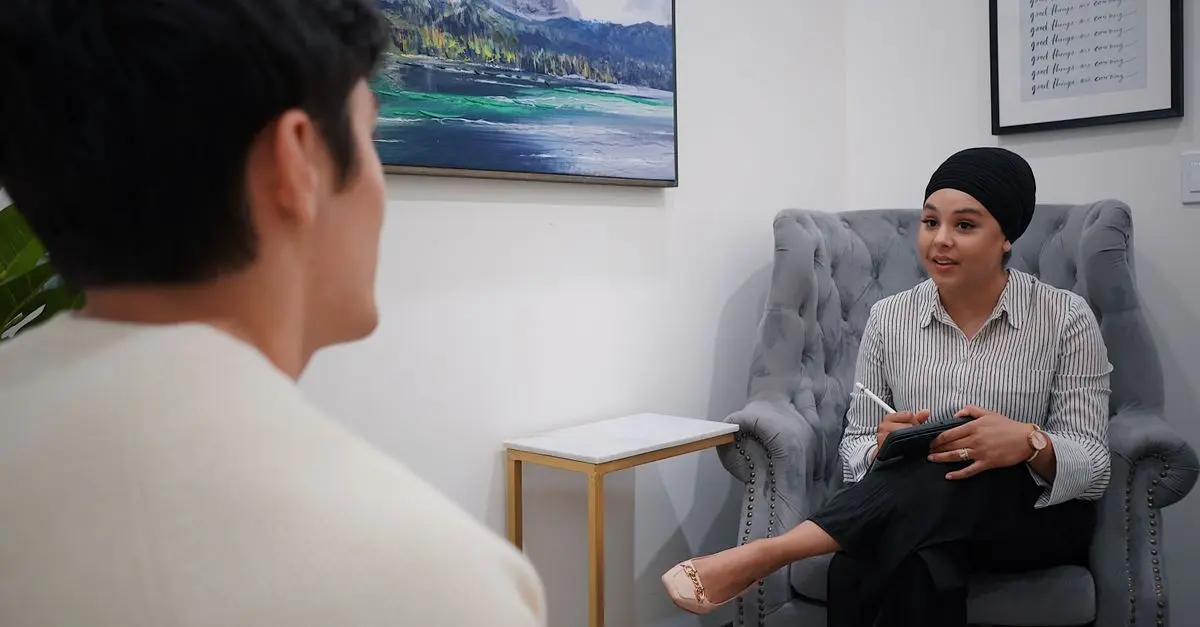
Active listening is a fundamental coaching technique that goes beyond merely hearing words. It involves fully engaging with the client, understanding their concerns, and responding thoughtfully. According to the International Coach Federation (ICF), effective coaches practice active listening to build trust and rapport. This means paying attention not only to the content of what clients say but also to their emotions and non-verbal cues.
For instance, during a session, if a client expresses frustration, a coach should reflect back what they are hearing. Phrases like, "It sounds like you're feeling overwhelmed by your workload" can affirm the client's feelings, making them feel validated. By doing so, the coach encourages a deeper conversation where the client feels safe to explore their thoughts further. This technique fosters a strong coaching relationship, which is critical for client success.
2. Goal Setting: Creating a Roadmap
Goal setting is another crucial technique in coaching. By helping clients establish SMART goals (Specific, Measurable, Achievable, Relevant, Time-bound), coaches create a clear path for their clients to follow. Research suggests that individuals who set goals are 30% more likely to achieve their objectives.
To practice effective goal setting, initiate a session with your client by identifying their vision. Ask them where they see themselves in the next year. Once this is established, work together to break down this vision into smaller, actionable steps. For example, a client interested in advancing their career may set a goal to attend networking events once a month, and update their resume within the next month. Providing structure is critical, as it allows clients to see their progress and stay motivated.
3. Powerful Questioning: Driving Insight
Powerful questioning is an art that can lead to significant breakthroughs in coaching sessions. These questions are open-ended and designed to provoke thought, reflection, and deeper introspection. Instead of asking, "Did you meet your targets last month?", a more powerful question might be, "What challenges did you face last month that prevented you from meeting your targets?"
According to coaching expert John Whitmore, effective questioning enables clients to explore their own thoughts and feelings. It encourages them to process information in a way that fosters self-discovery and promotes change. Using this technique can elevate a coach's effectiveness, as clients often leave sessions with renewed clarity and motivation to pursue their goals.
4. Accountability: Keeping Clients on Track
Accountability is a vital component of successful coaching. It ensures that clients remain committed to their goals and encourages consistent progress. As a coach, establishing a system of accountability helps clients take ownership of their actions. For example, you could set follow-up sessions where clients report on their progress and discuss their challenges.
Research from Harvard Business Review indicates that accountability significantly increases the likelihood of achieving goals. When clients know they must report back on their actions, they are more likely to take the necessary steps to fulfill their commitments. Utilize tools such as progress tracking sheets or online dashboards to facilitate this process, ensuring that clients can visualize their journey and stay motivated.
5. Continuous Learning: Evolving as a Coach
The world of coaching is constantly evolving, and staying updated with the latest trends, techniques, and methodologies is paramount. Continuous learning can take various forms, such as attending workshops, obtaining certifications, or engaging in peer coaching. According to a survey by the Coaching Association, 85% of successful coaches invest time in professional development.
A commitment to lifelong learning enhances a coach's skill set, ensuring that they offer the best support to their clients. By adopting a growth mindset, coaches can also model this behavior for their clients, promoting a culture of development and learning. Encourage clients to pursue their own learning avenues, thereby instilling the importance of continuous improvement.
Conclusion
Mastering these five techniques—active listening, goal setting, powerful questioning, accountability, and continuous learning—will significantly enhance your coaching effectiveness. By integrating these strategies, you can foster a more robust coaching relationship and empower your clients to achieve their fullest potential.
Checklist for Coaching Success
- [ ] Practice active listening in all sessions
- [ ] Establish SMART goals with clients
- [ ] Use powerful questions to provoke thought
- [ ] Set up accountability measures
- [ ] Engage in continuous learning
Glossary
| Terme | Définition |
|---|---|
| Coaching | Process par lequel un individu reçoit un soutien pour atteindre des objectifs personnels ou professionnels. |
| Active Listening | Technique de communication qui implique d'écouter attentivement et de réfléchir aux paroles de l'autre pour comprendre leur point de vue. |
| SMART Goals | Méthode de définition des objectifs qui sont spécifiques, mesurables, atteignables, pertinents et temporels. |
> 🧠 Quiz rapide : What is the primary purpose of active listening in coaching?
> - A) To give advice
> - B) To understand the client better
> - C) To dominate the session
> Réponse : B — Active listening is crucial for understanding the client's perspective and building trust.
📺 Pour aller plus loin : Explore effective coaching techniques in this video, a detailed analysis of coaching methodologies. Search on YouTube: "coaching techniques for success 2026".
📺 Pour aller plus loin : coaching techniques for success 2026 sur YouTube
Recommended products
Selected by our experts

Gants zootechniques El.Cm85 50Pcs
DocMorris FR (ex DoctiPharma FR)
Protective gloves are essential for maintaining hygiene during hands-on coaching sessions.

Eponge d'application Real Techniques 1pc
DocMorris FR (ex DoctiPharma FR)
This application sponge can be a helpful tool for coaches in demonstrating makeup techniques as part of specialized coaching sessions.
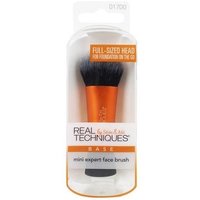
Mini pinceau à fond de teint Real Techniques 1pc
DocMorris FR (ex DoctiPharma FR)
Mini foundation brushes can serve as handy tools during coaching sessions involving personal appearance or branding.