
Table of Contents (15 sections)
In today's competitive landscape, professional coaching skills are more crucial than ever. Coaches play a vital role in facilitating personal and professional growth for their clients. This article explores the essential skills every professional coach should develop to enhance their effectiveness and make a lasting impact.
1. Active Listening
Active listening is a foundational skill for any coach. It goes beyond merely hearing words; it involves processing and understanding the underlying messages. According to a study by the International Coaching Federation, effective listening can lead to a 60% increase in client satisfaction. Coaches who listen attentively can ask more insightful questions and provide tailored feedback that aligns with their clients' needs. To enhance your active listening skills, practice summarizing what your client says to confirm understanding. This technique fosters a deeper connection and promotes trust.
2. Powerful Questioning
The ability to ask powerful questions can dramatically change the trajectory of a coaching session. Questions that provoke thought encourage clients to dig deeper into their beliefs and values. Coaches should be skilled in both open-ended questions that invite exploration and specific questions that guide discussions. Research indicates that coaches who employ effective questioning techniques help clients achieve clearer goals and increased motivation. For example, instead of asking, "What do you want?" consider, "What would achieving this goal mean for you?"

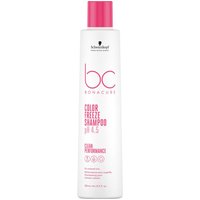
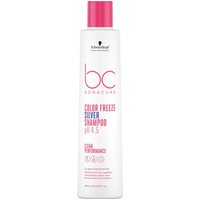
Shampoing cheveux blancs et éclaircis Color Freeze - Schwarzkopf Professional
Blissim FR
3. Emotional Intelligence
Emotional intelligence (EQ) is paramount for coaches, enabling them to understand their emotions and manage relationships judiciously. Coaches with high EQ are often able to empathize with clients, recognizing emotional cues that may not be verbally communicated. A 2020 study indicated that teams with emotionally intelligent leaders saw a 20% increase in performance. By developing EQ, coaches can create a safe space for clients, encouraging honest dialogue and personal growth. Practicing mindfulness and reflection can enhance one's emotional intelligence over time.
4. Goal Setting
Goal setting is more than just a skill; it's an art. Effective coaches understand how to help their clients define measurable and achievable goals. Utilizing frameworks like SMART (Specific, Measurable, Achievable, Relevant, Time-bound) can aid in this process. Statistics show that individuals who write down their goals are 42% more likely to achieve them. By guiding clients through the goal-setting process, coaches can provide clarity and direction, which are crucial for personal development.
5. Feedback Delivery
Delivering constructive feedback is a nuanced skill that involves timing, tone, and content. A report from Harvard Business Review states that constructive feedback can lead to a 30% improvement in client performance. However, it’s essential to balance critique with encouragement. Coaches should ensure feedback is specific and focuses on behaviors rather than personal attributes. For example, saying, "I noticed you interrupted others during the discussion," is more effective than, "You are rude." Practicing feedback techniques helps coaches articulate observations delicately and positively.
6. Rapport Building
Building rapport is essential for establishing a productive coaching relationship. Rapport fosters trust, making clients feel safe to express their thoughts and feelings. Techniques such as mirroring body language, maintaining eye contact, and using a warm tone can significantly enhance rapport. According to a survey by Coaching Today, 85% of successful coaching relationships stem from a strong rapport. Investing time to build rapport can lead to greater engagement and commitment from clients.
7. Flexibility and Adaptability
Every coaching session is unique, requiring flexibility and adaptability from the coach. Being overly rigid can stifle a client's progress. Effective coaches remain observant, adapting their approach based on the client’s moods and responses. A 2019 analysis highlighted that adaptive coaching styles resulted in a 40% improvement in client outcomes. Coaches should remain open to changing their methods and exploring new strategies that align with their clients' evolving needs.
8. Confidence and Presence
Confidence is an invaluable asset in a coaching context. A coach who exudes confidence instills assurance in their clients. This presence can dramatically affect the dynamic of the coaching relationship. Research shows that clients are more likely to engage with and trust coaches who display certainty in their methods and knowledge. Coaches can build confidence through continuous learning and experience. Role-playing scenarios can also help in cultivating a strong coaching presence.
9. Ethical Standards
Understanding and adhering to ethical standards is fundamental in coaching. The International Coaching Federation provides a code of ethics that guides coaches in their practice. Ethical dilemmas may arise, and coaches must be equipped to handle them with integrity. Fostering transparency with clients regarding confidentiality and boundaries is crucial to establish a professional relationship. Regularly reviewing ethical practices keeps coaches accountable and reinforces trust.
10. Continuous Learning
The landscape of coaching is continually evolving. Professional coaches must commit to lifelong learning to stay relevant. Engaging in workshops, webinars, and reading current literature can provide coaches with new insights and methodologies. A 2021 study emphasized that continuous learning could increase a coach's effectiveness by 50%. By investing in their own development, coaches can offer enriched experiences for their clients.
Conclusion
Mastering essential professional coaching skills enhances your effectiveness and empowers your clients. Active listening, powerful questioning, emotional intelligence, and goal setting are just a few of the vital competencies that pave the way for a successful coaching practice.
Checklist Before You Start Coaching
- [ ] Practice active listening techniques
- [ ] Develop powerful questioning strategies
- [ ] Enhance emotional intelligence and empathy
- [ ] Set SMART goals with your clients
- [ ] Master constructive feedback delivery
- [ ] Focus on building rapport
- [ ] Stay flexible during sessions
- [ ] Project confidence and presence
- [ ] Adhere to ethical coaching standards
- [ ] Commit to continuous learning
📺 Resource Video
To gain further insights into professional coaching skills and methods, look for videos like "Mastering Coaching Techniques" that provide in-depth analysis and practical tips. Search on YouTube with: "professional coaching skills 2026".
Glossary
| Term | Definition |
|---|---|
| Active Listening | The ability to fully focus, understand, and respond to a speaker, fostering better communication. |
| Emotional Intelligence (EQ) | The capacity to recognize, understand, and manage one's own emotions and those of others. |
| SMART Goals | A framework for setting specific, measurable, achievable, relevant, and time-bound objectives. |
> 🧠 Quick Quiz: What is the most critical skill for a coach?
> - A) Goal Setting
> - B) Active Listening
> - C) Feedback Delivery
> Answer: B — Active Listening is foundational for understanding client needs and providing effective coaching.
📺 Pour aller plus loin : professional coaching skills 2026 sur YouTube
Recommended products
Selected by our experts
Shampoing nourrissant Ultimate Smooth - Wella Professionals
Blissim FR
This nourishing shampoo is perfect for coaches who need to maintain a polished appearance while working with clients.
Shampooing cheveux colorés Color Freeze - Schwarzkopf Professional
Blissim FR
Ideal for coaches who color their hair and want a product that preserves their color and shine.
Shampoing cheveux blancs et éclaircis Color Freeze - Schwarzkopf Professional
Blissim FR
Perfect for coaches with blonde or gray hair needing a product to maintain their brightness and prevent yellowing.