Table of Contents (9 sections)
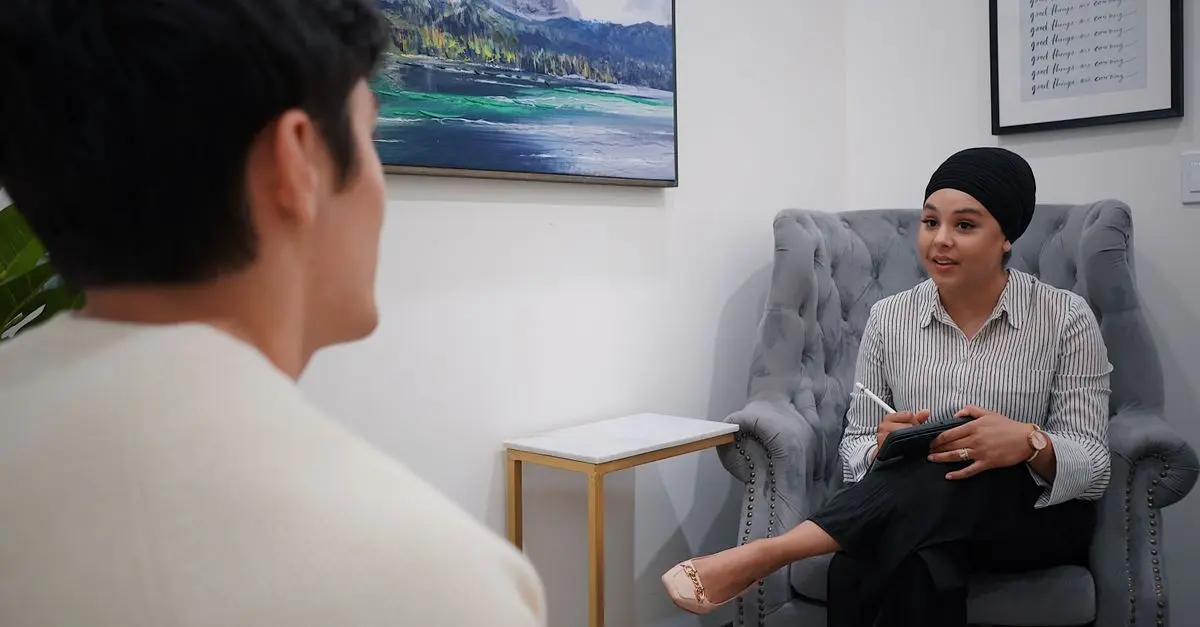
Becoming a successful professional coach requires a blend of interpersonal skills, strategic planning, and a deep understanding of the coaching process itself. In this article, we will explore the essential skills for professional coaching, providing insights into what makes a coach effective and how these skills can transform a coaching practice.
Understanding the Role of a Professional Coach
Before diving into specific skills, it's important to understand the role of a professional coach. A coach acts as a facilitator of personal and professional growth for clients, helping them identify and achieve their goals. According to the International Coach Federation (ICF), coaching aims to enhance individual performance and foster self-development. This role is multifaceted and requires a variety of skills.
Many coaches work with clients from diverse fields, each with unique challenges. For instance, a leadership coach may need to guide executives through complex organizational dynamics, while a life coach might help clients navigate personal challenges. Thus, versatility in skill is crucial.
Key Skills for Professional Coaching Success
- Active Listening: This is perhaps the most critical skill for any coach. Active listening involves fully concentrating, understanding, responding, and remembering what the client says. It enables coaches to pick up on verbal and non-verbal cues that provide insight into a client's feelings and thought processes. A study conducted by the Harvard Business Review found that effective listening can increase leadership effectiveness by 40%.
- Empathy: The ability to understand and share the feelings of another is vital in building trust and rapport with clients. An empathetic coach is better equipped to help clients feel valued and understood, creating a supportive environment for growth. According to research, empathy can significantly boost a coach's effectiveness by helping clients feel more comfortable discussing personal issues.
- Goal Setting: A professional coach must be skilled in setting achievable goals with their clients. This involves understanding the SMART criteria (Specific, Measurable, Achievable, Relevant, Time-bound). Coaches need to guide clients in structuring their objectives in a way that makes them tractable and inspiring. For example, a coach could help a client frame their ambition of running a marathon into a detailed training plan.
Procedural Skills: How to Conduct Effective Coaching Sessions
To ensure that coaching sessions are productive, coaches follow specific methodologies. Here's a step-by-step breakdown:
- Preparation: Every session begins with preparation. Coaches should review past sessions and set a clear agenda for what needs to be accomplished.
- Introduction: Open the session with a welcoming tone. A brief check-in on the client's emotional state sets the tone for the session.
- Discussion: Use active listening and empathy to engage the client. This is where the majority of exploration happens; asking open-ended questions is essential here.
- Action Planning: Collaboratively develop actionable steps that the client can take before the next session. This includes setting deadlines and accountability measures.
- Closure: Summarize the key points discussed, reiterate action items, and schedule the next session. A proper close ensures both coach and client have clarity moving forward.
Comparative Analysis of Coaching Styles
| Coaching Style | Strengths | Weaknesses | Best for |
|---|---|---|---|
| Directive Coaching | Provides clear guidance and structure | May stifle creativity | Clients needing direction |
| Non-Directive Coaching | Encourages self-discovery and ownership | Can lead to indecision | Clients looking for autonomy |
| Solution-Focused Coaching | Focus on solutions over problems | Can overlook root issues | Clients needing quick results |
Data-Driven Insights on Coaching Effectiveness
According to a study published by the ICF, organizations that employ coaching see a 70% increase in individual performance. Furthermore, companies reported a 50% increase in employee engagement. These statistics illustrate the profound impact effective coaching can have within organizations and on individual performance. In a world where productivity is paramount, investing in coaching can yield substantial returns.
Frequently Asked Questions (FAQ)
Q1: How long does it typically take to become a professional coach?
A1: The time frame varies based on the chosen path. Generally, aspiring coaches complete training programs lasting 6 months to 2 years.
Q2: What qualifications do I need to become a coach?
A2: While formal qualifications are not mandatory, many professionals pursue certifications from recognized organizations like the ICF or Center for Credentialing & Education.
Q3: Can coaching benefit businesses?
A3: Yes, coaching can enhance team performance, improve communication, and boost overall employee satisfaction, making it a valuable investment for businesses.
Q4: How do I find a coach that suits my needs?
A4: Research potential coaches online, looking for testimonials and credentials. It often helps to schedule an introductory session to assess fit.
Glossary
| Terme | Définition |
|---|---|
| Coaching | Une méthode d'accompagnement pour aider un individu à atteindre des objectifs particuliers. |
| Accompagnement | Un processus d'assistance qui vise à favoriser le développement personnel et professionnel d'un individu. |
| Empathie | La capacité à se mettre à la place d’un autre et à comprendre ses sentiments. |
Checklist avant achat
- [ ] Évaluer les compétences d'écoute active
- [ ] Vérifier les certifications et l'expérience
- [ ] Discuter des objectifs de coaching
- [ ] Considérer la méthode de coaching préférée
- [ ] Planifier une session d'introduction
💡 Avis d'expert : Le développement constant des compétences de coaching est essentiel. Assister à des formations continues et participer à des groupes de soutien entre pairs peut propulser votre pratique à un niveau supérieur.
📺 Pour aller plus loin : How to Become a Great Life Coach — Tips & Strategies, une analyse complète des stratégies pour devenir un coach efficace. Recherchez sur YouTube : "coaching skills development".
📺 Pour aller plus loin : coaching skills development sur YouTube
Recommended products
Selected by our experts

VEVOR - Blender for Smoothies, 61 oz 1400W, Professional Blender with Powerful Motor, Multi-Functional Food Processing Blender - Dark Gray
bestbuy.com

Professional Dishwasher Door Panel Kit for Viking FDWU524 Dishwasher - Cast Black
bestbuy.com

Professional Dishwasher Door Panel Kit for Viking FDWU524 Dishwasher - Slate Blue
bestbuy.com

Professional Dishwasher Door Panel Kit for Viking FDWU524 Dishwasher - Damascus Gray
bestbuy.com

Professional Dishwasher Door Panel Kit for Viking FDWU524 Dishwasher - Stainless Steel
bestbuy.com